
Let’s be honest, the word “renovation” often conjures images of overflowing bank accounts and weeks of dust. Many people think tackling a home update means shelling out tens of thousands of dollars. But what if I told you that significant, satisfying transformations are absolutely achievable without breaking the bank? You can renovate your home for under $10,000, and it’s all about smart planning, clever choices, and a touch of DIY spirit. Think of it less as a complete gut job and more as a strategic refresh that breathes new life into your space.
The Power of a Focused Facelift
Before you grab your hammer, the most crucial step is focus. Trying to overhaul an entire house on a $10,000 budget is like trying to drink from a fire hose – it’s overwhelming and won’t yield the best results. Instead, identify one or two key areas that will give you the biggest bang for your buck. Often, this means targeting spaces that are high-traffic or have the most potential for improvement.
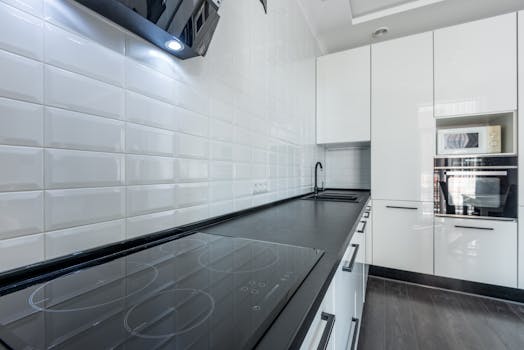
Kitchen Refresh: Even without new cabinets, a fresh coat of paint, updated hardware, a new backsplash, and perhaps a new countertop can feel like a whole new kitchen.
Bathroom Revamp: Think a new vanity, updated fixtures, a fresh coat of paint, and perhaps a new showerhead. Small changes here can have a huge impact on functionality and aesthetics.
Living Area Update: This could involve new paint, updated lighting, a DIY fireplace makeover, or even just a strategic rearrangement of furniture coupled with some new decor.
Rethinking Your Renovation Budget: Where to Save and Splurge
This is where the real magic happens – understanding where your $10,000 needs to go and where you can smartly cut costs. It’s a delicate balancing act, and your priorities will dictate the outcome.
#### Smart Swaps to Stretch Your Dollar
Painting Power: Never underestimate the transformative power of a fresh coat of paint. It’s one of the most cost-effective ways to update a space. Consider a bold accent wall or a sophisticated neutral palette. For kitchens and bathrooms, opt for durable, washable finishes.
Hardware Heroics: Swapping out old cabinet knobs, drawer pulls, and light fixtures can instantly elevate the look of a room. You can find stylish options at a fraction of the cost of larger renovations. Think brushed nickel, matte black, or even some trendy brass accents.
DIY Delight: Are you comfortable with basic DIY? Many tasks, like painting, tiling a small backsplash, installing new shelving, or even assembling flat-pack vanities, are well within the reach of a weekend warrior. This is where you can save a significant chunk of your budget.
Strategic Shopping: Don’t be afraid to shop around. Big box stores have sales, online retailers offer competitive pricing, and don’t discount second-hand finds for decor items or even certain fixtures if you’re lucky.
#### When to Consider a Small Splurge
While the goal is to renovate your home for under $10,000, there are a few areas where a little extra investment can prevent future headaches or drastically improve the perceived quality of your renovation.
Flooring: If your current flooring is beyond repair, consider more durable and affordable options like luxury vinyl plank (LVP) or laminate. They mimic the look of hardwood or tile but are much more budget-friendly and easier to install.
Countertops: While a full granite overhaul might be out, a butcher block countertop or a high-quality laminate can offer a significant upgrade without the premium price tag.
Essential Plumbing/Electrical: If you discover leaky pipes or outdated electrical wiring during your planning, it’s often wiser to address these foundational issues early. Sometimes, a small investment here prevents major, costly problems down the line.
Embracing the “Less is More” Approach to Materials
When you’re working with a tight budget, material choices become paramount. It’s about finding finishes that look good, perform well, and don’t blow your budget.
#### Kitchen & Bathrooms: Budget-Friendly Brilliance
Backsplashes: Instead of expensive natural stone, consider subway tile (always a classic and affordable choice!), peel-and-stick tiles for a quick update, or even a painted finish with a durable sealant.
Vanities: For bathrooms, a fresh coat of paint on an existing vanity, paired with new hardware, can make a world of difference. If you need a new one, look for affordable but well-made options at discount retailers or consider a pedestal sink for a more minimalist, less costly approach.
Fixtures: Updating faucets and showerheads can be surprisingly affordable, and the visual impact is huge. Look for finishes that are durable and easy to clean.
#### Flooring Finds
As mentioned, LVP and laminate are fantastic budget flooring options. They are also generally easier to install yourself than tile or hardwood, further saving on labor costs. For smaller areas, like a powder room, consider a more budget-friendly tile or even vinyl sheet flooring.
The DIY Factor: Your Secret Weapon
I’ve said it before, but it bears repeating: DIY is your secret weapon when you’re trying to renovate your home for under $10,000. While it requires time and effort, the savings can be substantial.
#### What You Can Likely Tackle Yourself
Painting: Interior and exterior painting (for smaller areas).
Demolition: Removing old flooring, wallpaper, or fixtures.
Assembly: Putting together flat-pack furniture, vanities, or shelving units.
Basic Landscaping: Mulching, planting flowers, trimming bushes.
Lighting Fixture Installation: If you’re comfortable with basic electrical work.
Hardware Updates: Swapping out knobs, pulls, and even door hinges.
#### Knowing When to Call a Pro
It’s crucial to be realistic about your skills and the complexity of the task. For anything involving major structural changes, complex plumbing, or significant electrical work, it’s always best to hire a licensed professional. Safety and compliance with building codes are paramount. Plus, a botched DIY job can end up costing more to fix than hiring a pro in the first place. Consider getting quotes for specific tasks you’re unsure about, and see if a professional can help with just that part, leaving the rest to you.
Planning: The Unsung Hero of Budget Renovations
A well-thought-out plan is the bedrock of any successful renovation, especially when you’re working with a tight budget. It prevents impulse buys, helps you stay on track, and ensures you’re investing your money where it counts.
1. Define Your Goals: What do you really want to achieve? Is it improved functionality, a modern aesthetic, or simply a fresh feel?
2. Prioritize: Based on your goals, which rooms or features will have the biggest impact?
3. Research Costs: Get realistic estimates for materials and any professional services you might need. Online retailers, local hardware stores, and contractor websites can give you a good baseline.
4. Create a Detailed Budget: Allocate specific amounts to each task and material. Add a buffer (around 10-15%) for unexpected expenses.
5. Get it in Writing (if hiring): For any professional help, always get detailed quotes and contracts.
6. Timeline: While you’re not aiming for a professional build schedule, having a rough timeline will keep you motivated and prevent tasks from dragging on indefinitely.
#### Finding Inspiration Without Overspending
Websites like Pinterest and Houzz are fantastic for gathering ideas, but be mindful of the budgets implied in many of those aspirational images. Look for “budget renovation” or “DIY” tags, and focus on the concepts and color palettes* rather than the exact (and often expensive) products used.
Wrapping Up: Smart, Satisfying Transformations
Renovating your home for under $10,000 is not a myth; it’s a smart, strategic approach to home improvement. It’s about making intentional choices, prioritizing impact over sheer scale, and leveraging your own skills. The key is to focus on high-impact, lower-cost updates like paint, hardware, and strategic fixture swaps. And remember, even a small, well-executed refresh can significantly boost your home’s appeal and your enjoyment of your living space. Before you start, ask yourself: “What’s the one change that would make me happiest?” Then, build your budget around that.